Antoine Bichara Berouti’s Demolished House in Jaffa
Once again, thanks to the Geday family, another lost Berouti house in Jaffa has been identified. The house belonged to Antoine Bichara Berouti, grandson of Antoine Yacoub, who was himself the brother of Nicolas Yacoub. The architectural plan sheets from 1929 and 1938 are shown below.
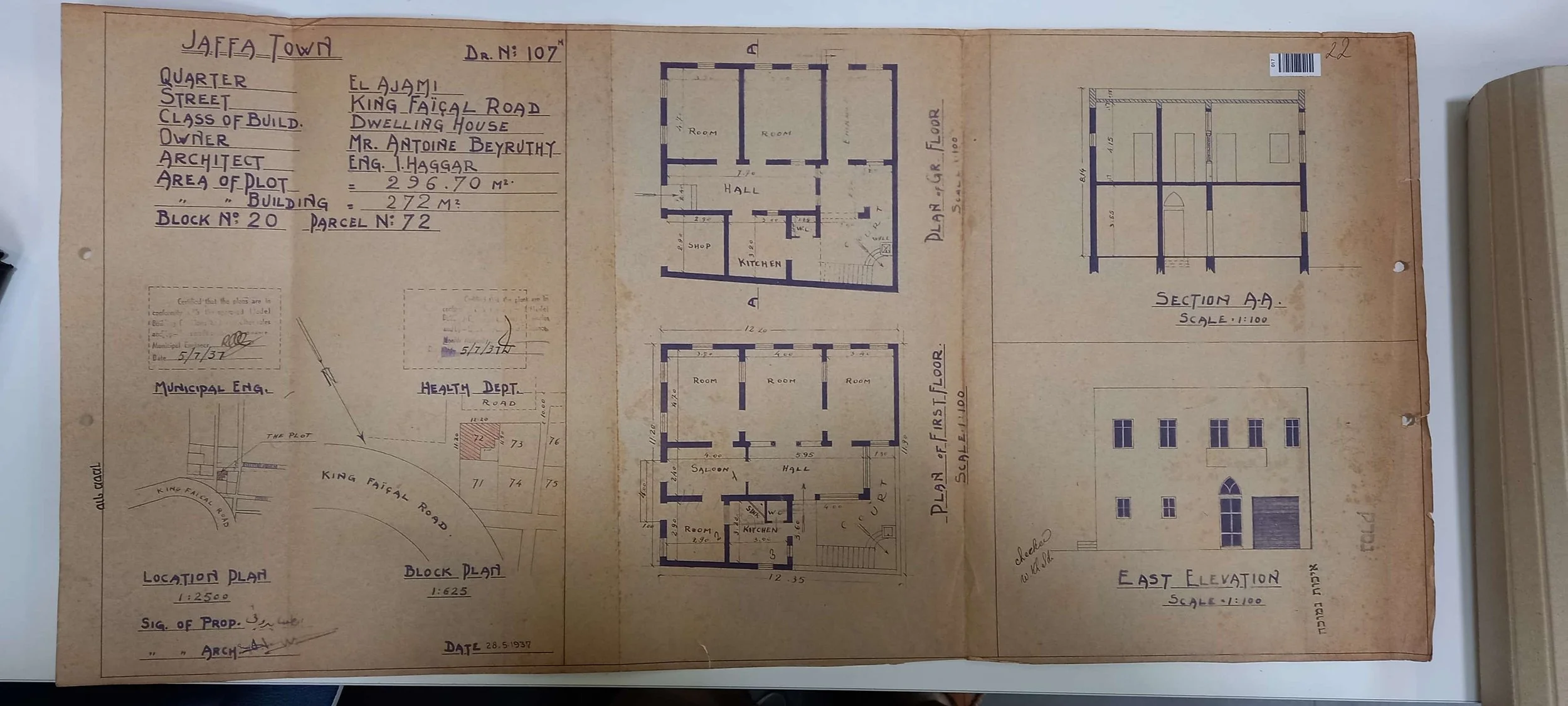
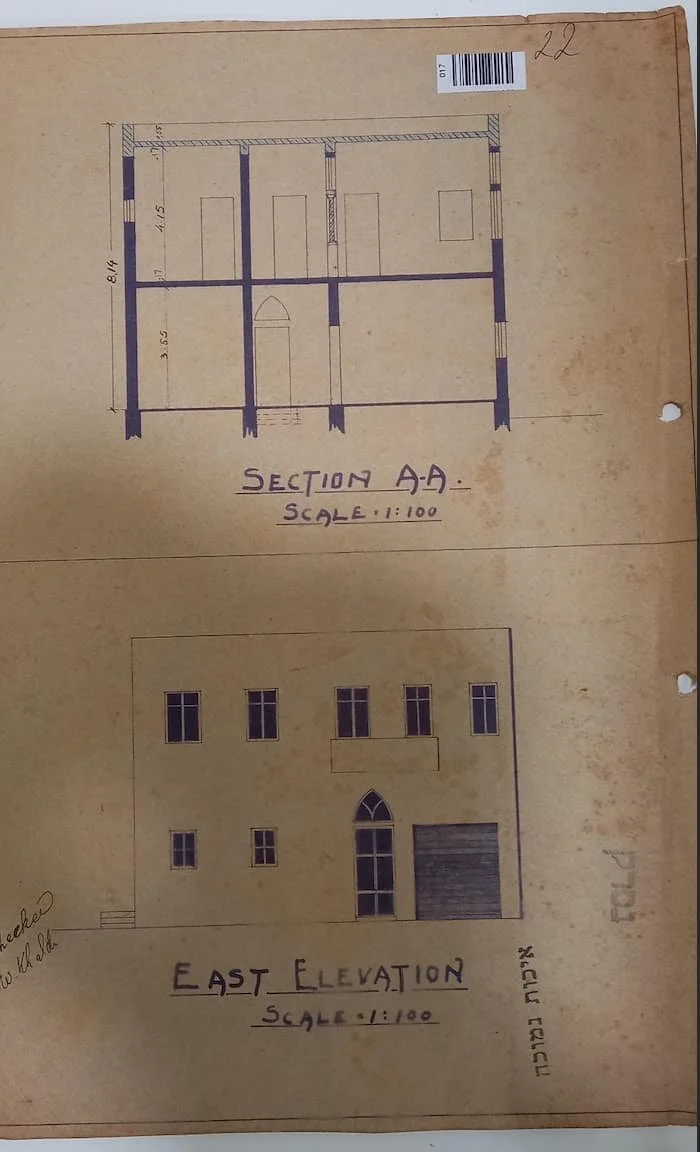
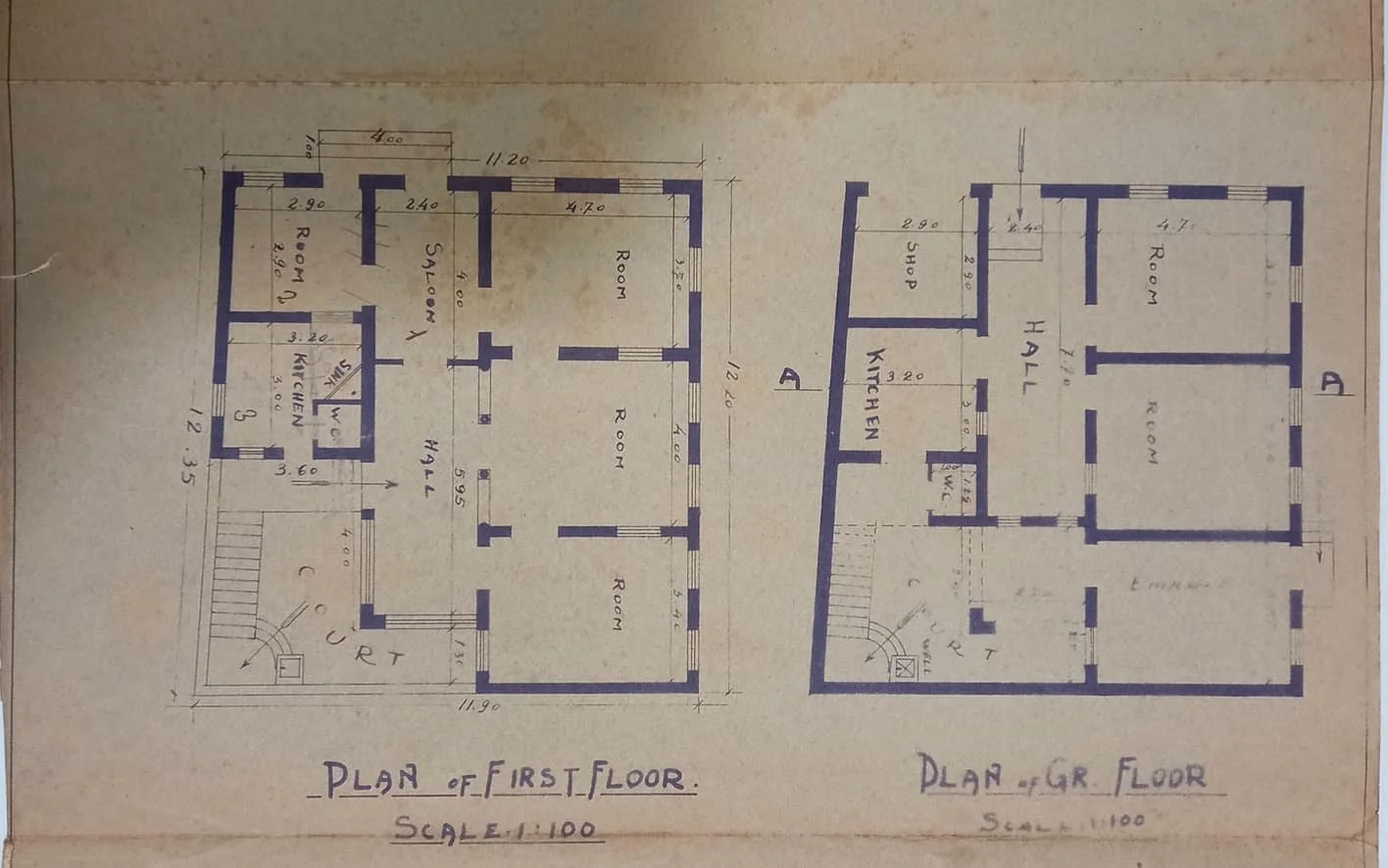
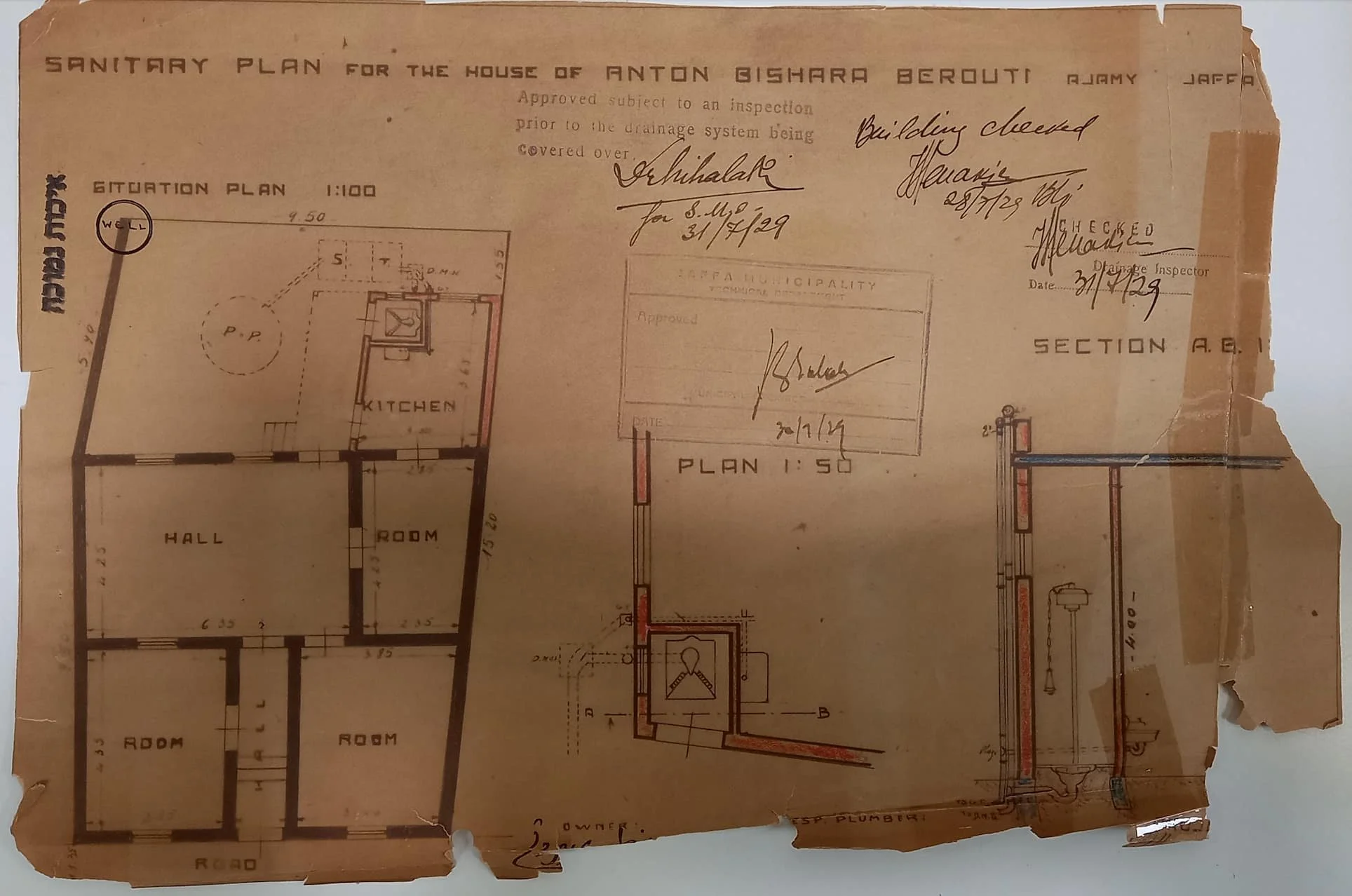
The house, demolished around 2017, was located near the Jaffa Port, in a neighborhood known before the Nakba as Saknet Harish (سكنة هريش). According to Yousef Geday, owner of Al-Kamal Pharmacy, the neighborhood holds historical significance, as it was among the first areas in Jaffa to be developed outside the city walls. The location where Antoine Bichara Berouti’s house once stood is marked by the red pin on the Google Earth image below.
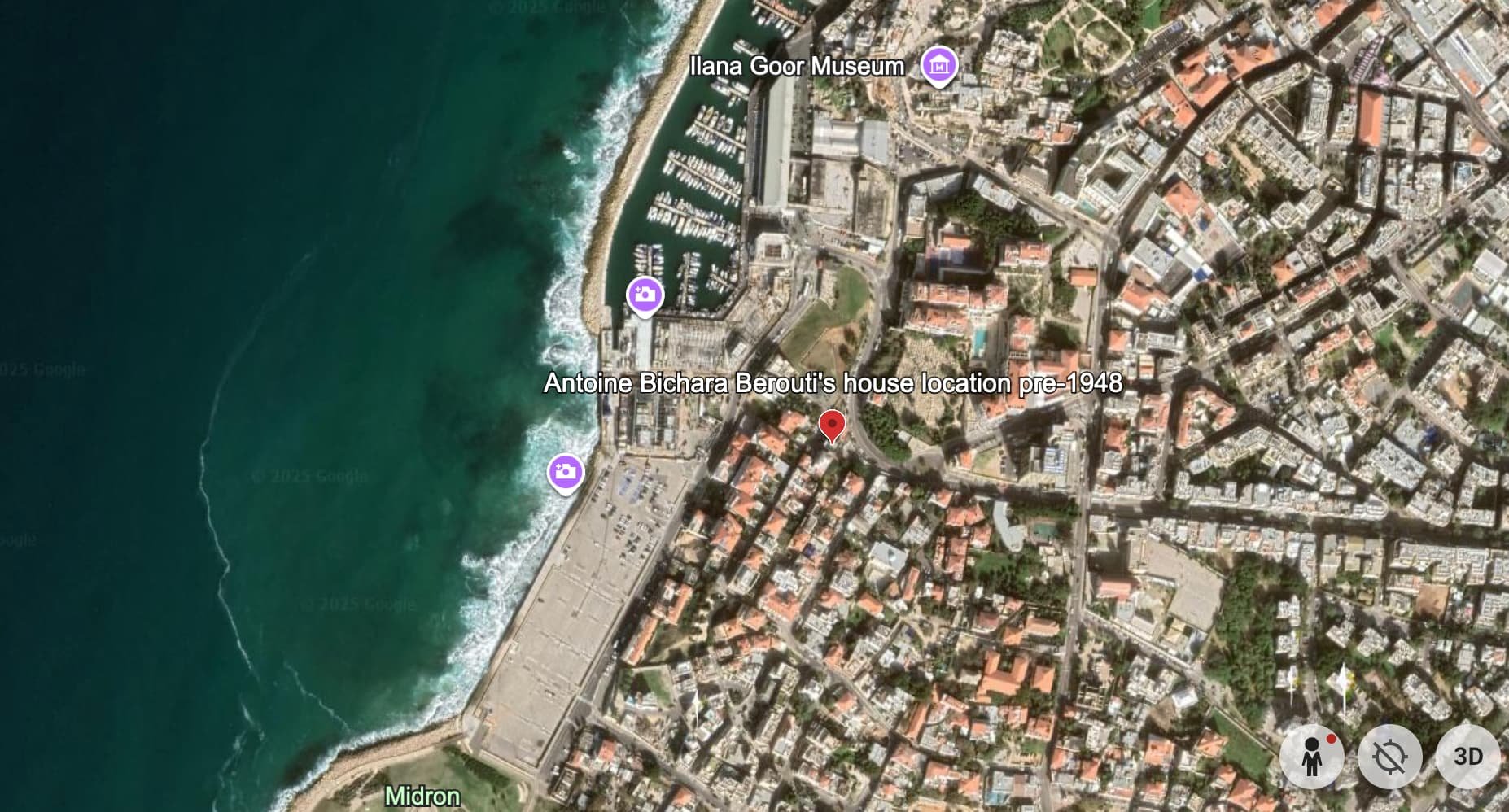
Antoine Bichara Berouti’s house location in Jaffa before the Nakba, indicated by the red pin
Thanks to the careful research carried out by Lilianne Beirouti, the great-granddaughter of Antoine Bichara Berouti, many important details about what happened to this house in the decades following the Nakba have been uncovered. These findings are discussed below at greater length.
The following are several Google Street View images showing the original house and its transformation over time, captured at various intervals between 2011 and 2021.
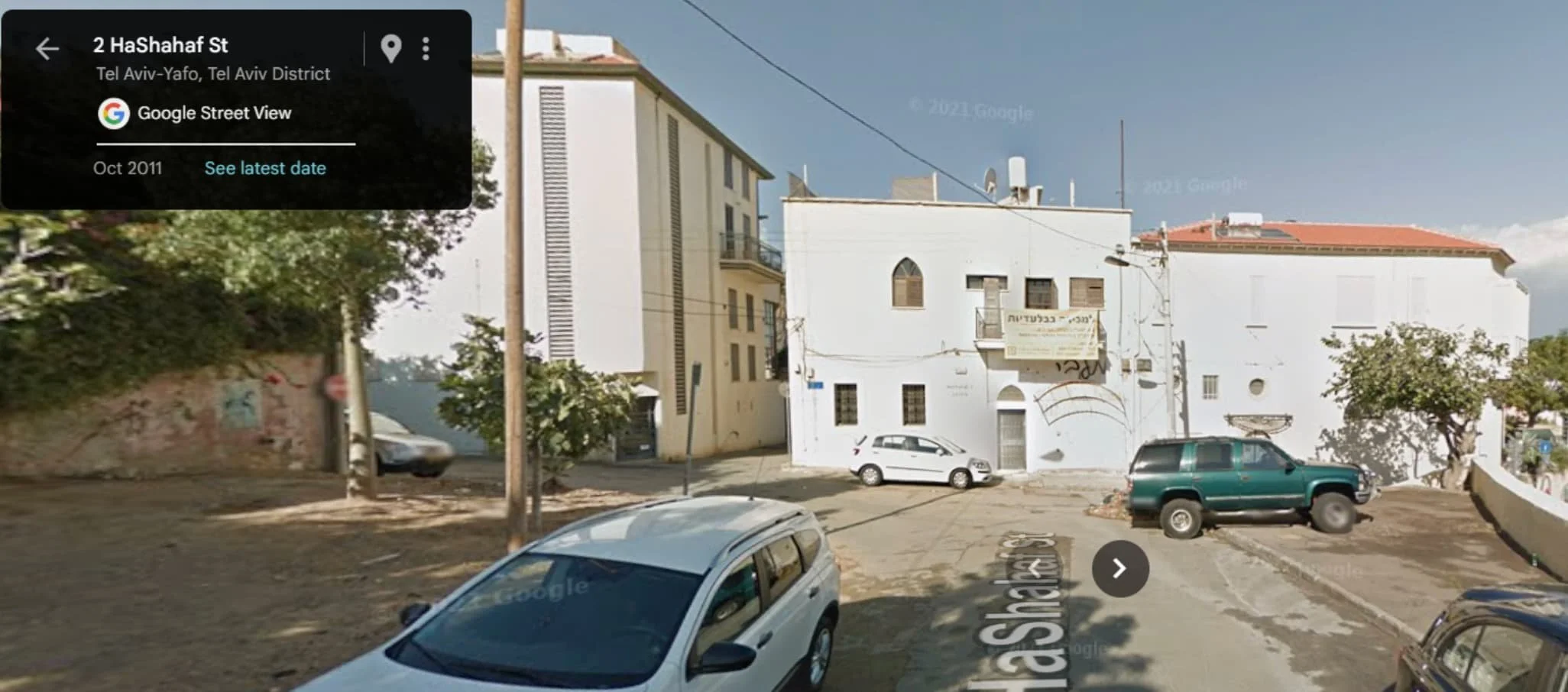
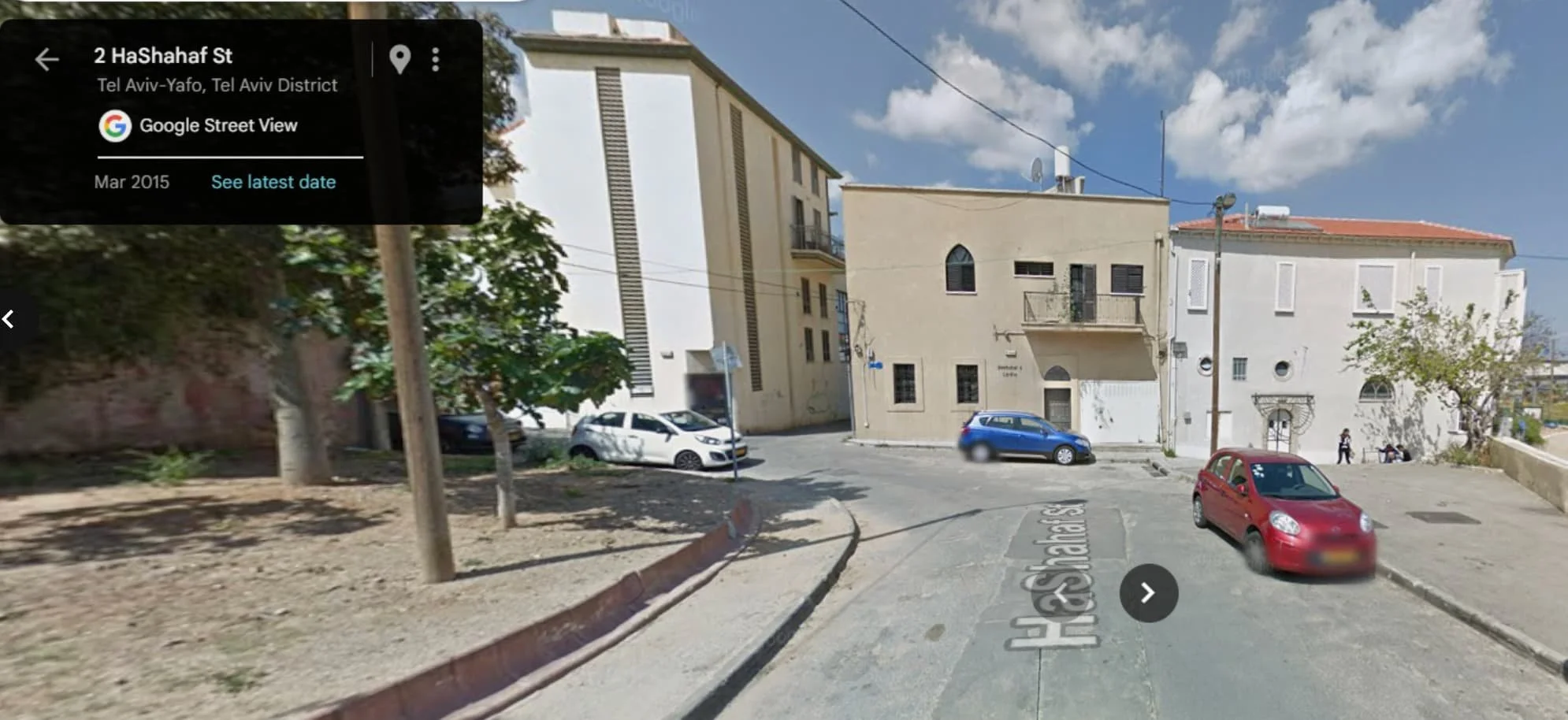
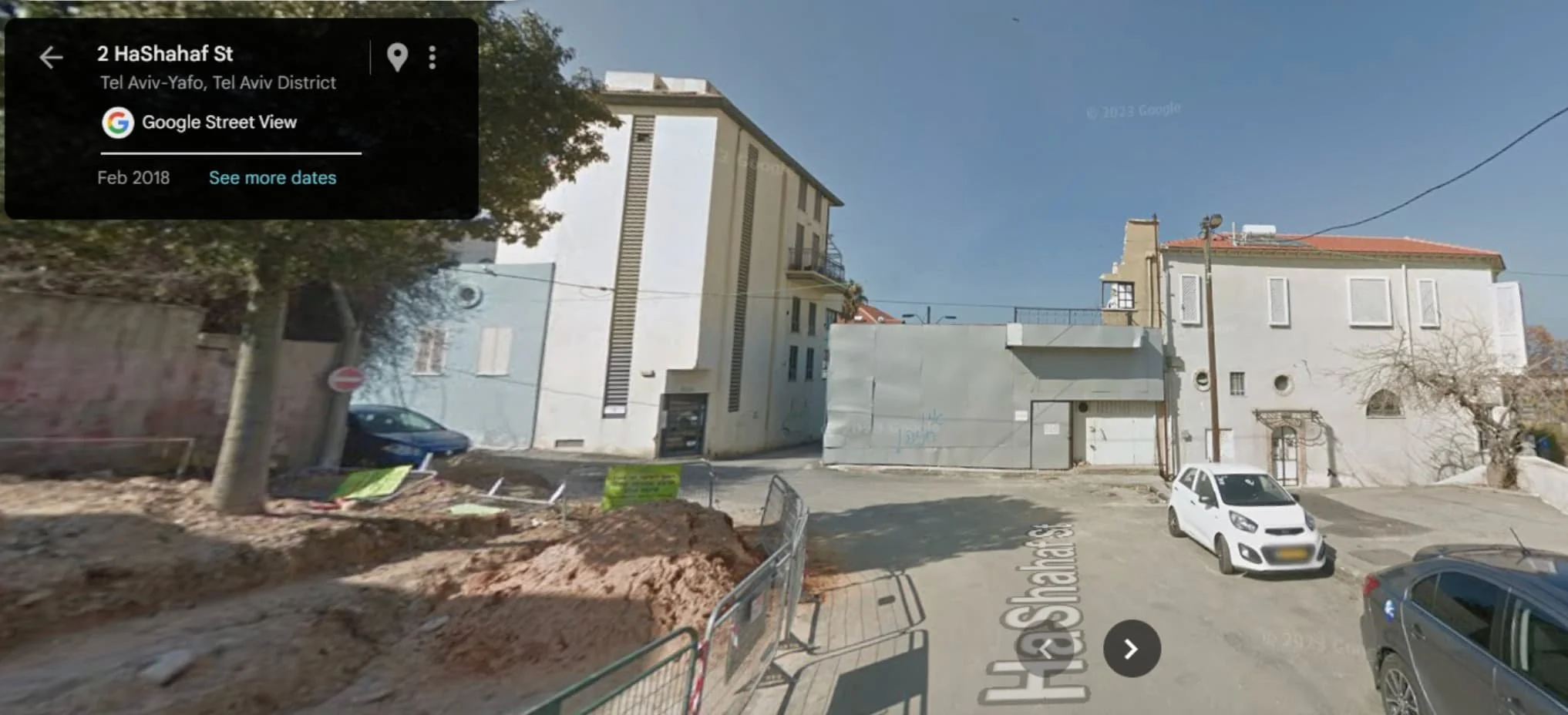
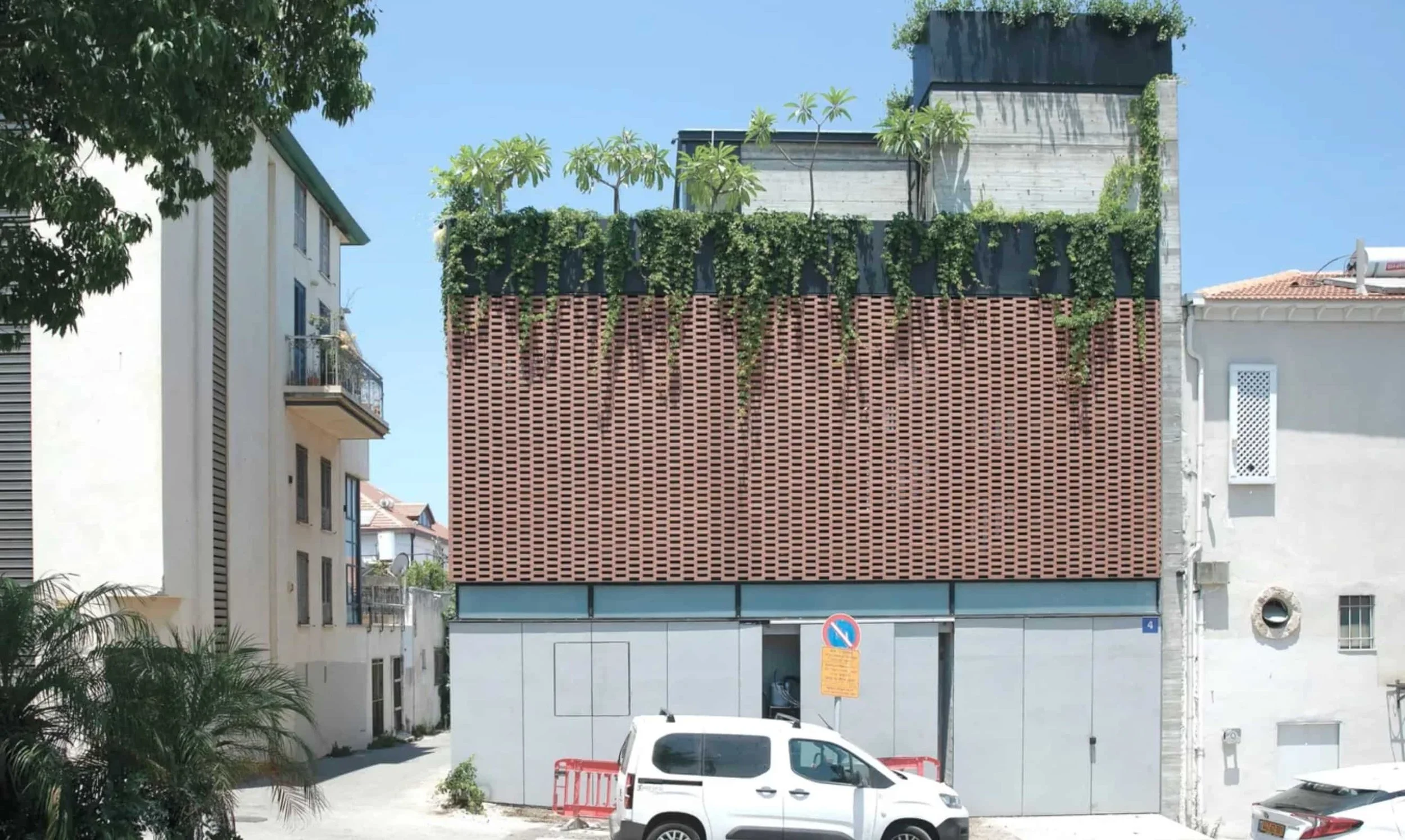
As can be seen in the images above, the original house was demolished and another house was built in its place. The demolition and subsequent construction caused considerable controversy among the new owner’s Jewish neighbors, a dispute that was covered in two articles published in Haaretz newspaper. For context, the new owner, who purchased the house, demolished it, and built the new one, is a Palestinian citizen of Israel named Yaqub Hanna.
The article, This Luxury Home Epitomizes the Erasure of Jaffa's Historical Landscape, written by Naama Riba and published in Haaretz on August 26, 2021, describes the demolition of this historic home in Jaffa’s Ajami neighborhood and its replacement with a large luxury villa, emphasizing broader tensions around gentrification and historic preservation in the area. It reports that neighbors accuse Hanna of encroaching on public space, damaging vegetation, and harming the neighborhood’s historic fabric.
In his response, published in Haaretz on September 15, 2021, under the title A Palestinian Christian Bought a Jaffa House. That’s Not Gentrification, Hanna rejects claims that his new home represents cultural erasure. Instead, he argues that the project symbolizes Palestinian return and renewal in a neighborhood historically inhabited by Palestinian Christians before the Nakba. Hanna challenges orientalist expectations of what “Arab” architecture should look like, and further suggests that opposition to his home reflects discomfort with a Palestinian presence in an upscale, Jewish-dominated area.
In addition to the broader discussion above, Naama Riba’s article references the Berouti family, though her account contains many factual errors regarding the names of individual family members and their relationships to one another. Below are the relevant excerpts:
“According to the construction file, the house at 4 Hashahaf St. was occupied by a family from Beirut until 1946. Giller said the family was Catholic, ‘one of the richest in Jaffa, and belonged to the French community that would meet to celebrate Bastille Day on July 14. Other participants in this group included Meir Dizengoff and members of the Chelouche family.’
The best-known members of the Lebanese family, he added, were the brothers Michel, Najib and Nicolas, ‘whose magnificent tombs are still standing today in the Catholic cemetery, guarded by statues of winged angels.’
From 1946 to 1948, the house was occupied by members of the Alluah family, which then moved to Jordan. ‘Michel served as the first president of the Muslim-Christian Association, which the British founded in 1919,’ Giller continued. ‘Najib was a major citrus exporter and represented French shipping companies, while Nicolas managed the railroad. He died in 1928, and his name on the gravestone is Nicolas Antoine. Antoine, who built his house on Hatzedef Street in 1937, may have been his son. The family’s other members included lawyers and even tennis players who participated in tournaments at the Jaffa sports club.’”
I found it ironic that Riba, an Israeli Jew, repeatedly refers to the family as “Lebanese,” despite the Beroutis having already been established in Jaffa for at least nine decades by the time the house was built in 1937.
Unfortunately, a premium subscription is needed to read the Haaretz articles in full. I am happy to share those with anyone interested in reading them.